Noaa Barki
What we Learned from Reading 100+ Kubernetes Post-Mortems
#1about 6 minutes
Understanding the developer versus DevOps cultural divide
A story from a DevOps meetup illustrates the different goals and perspectives that create friction between developers and operations teams.
#2about 2 minutes
Bridge the gap with champions and failure stories
Delegate knowledge to developer champions and learn best practices by studying the post-mortem stories of other companies.
#3about 5 minutes
Common Kubernetes misconfigurations from real outages
Examples from Target and Zalando show how simple errors like incorrect CronJob concurrency policies or missing memory limits can cause major production failures.
#4about 3 minutes
How to introduce policy enforcement gradually
Avoid organizational friction by implementing new policies slowly, starting with a single pilot team to gain agreement and understanding before a wider rollout.
#5about 3 minutes
Categorizing the three types of Kubernetes failures
Kubernetes failures typically fall into three categories: simple syntax errors, gaps in knowledge of best practices, and misalignment with internal company policies.
#6about 2 minutes
Validating Kubernetes YAML for syntax and schema errors
Use tools like yq for YAML format validation and kubeconform for schema validation without requiring direct cluster access for developers.
#7about 4 minutes
The challenges of managing policies as code in Git
Managing policies in Git creates versioning nightmares and lacks features for permissions, dynamic adjustments, and providing clear remediation guidelines.
#8about 4 minutes
Using Datree for centralized policy management
Datree is an open-source tool that provides a centralized location for managing policies, which are then enforced locally and in CI for developers.
#9about 1 minute
The real meaning of shifting responsibility left
True shift-left culture is not just about tools but about delegating responsibility and empowering developers to own their configurations.
Related jobs
Jobs that call for the skills explored in this talk.


Wilken GmbH
Ulm, Germany
Senior
Amazon Web Services (AWS)
Kubernetes
+1

Matching moments
01:50 MIN
Using blameless postmortems for system-level learning
I broke the production
01:27 MIN
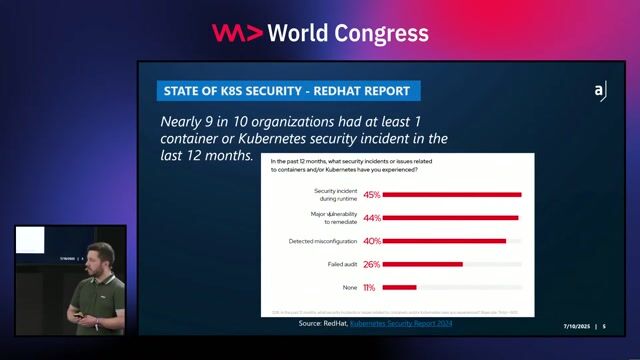
The prevalence and impact of Kubernetes security incidents
Kubernetes Security Best Practices
01:28 MIN
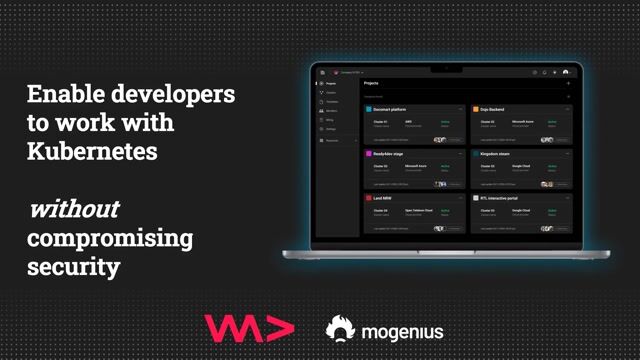
The challenges of Kubernetes complexity for developers
Startup Presentation: Achieving True Developer Self-Service in Kubernetes

01:58 MIN
What we can learn from high-profile software failures
The Software Bug All Stars - and what we can learn from them
04:28 MIN
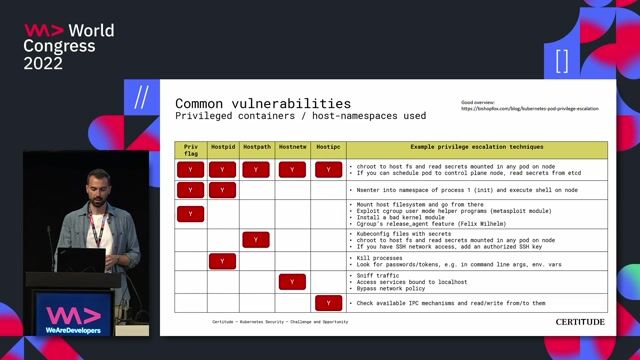
Identifying common Kubernetes security vulnerabilities
Kubernetes Security - Challenge and Opportunity

26:30 MIN
Q&A: Key skills, complex projects, and the future of tech
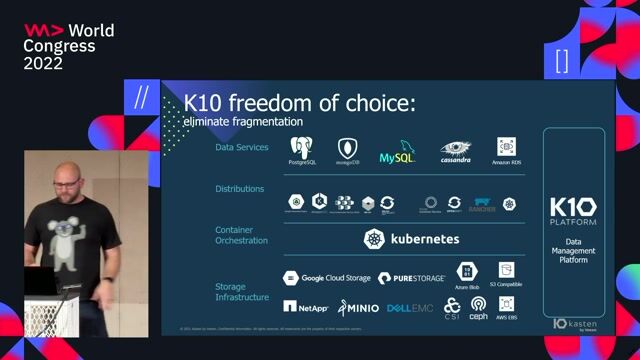
Retooling and refactoring - an investment in people.
00:52 MIN
Final thoughts and free Kubernetes learning resources
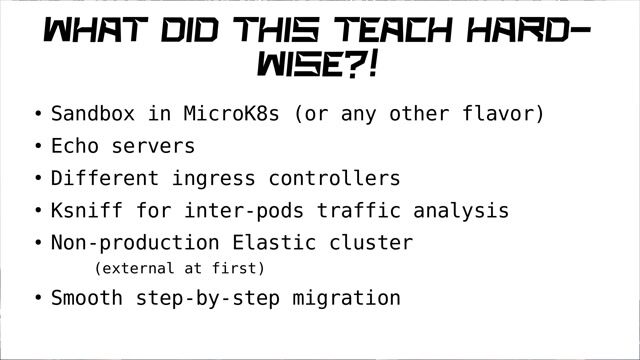
It's all about the Data
03:01 MIN
Tools and techniques for Kubernetes development
How I saved 200K/yr in direct costs writing 0 code lines in K8s
Featured Partners
Related Videos
 42:45
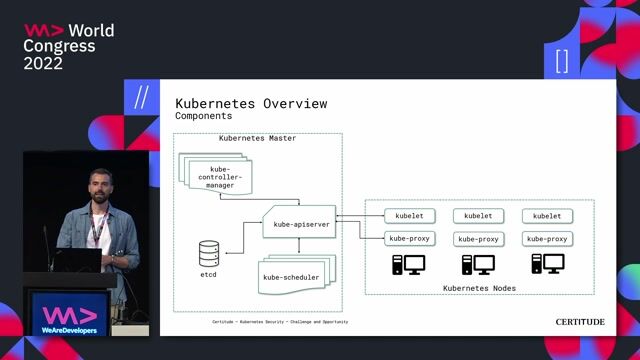
42:45Kubernetes Security - Challenge and Opportunity
Marc Nimmerrichter
 46:36
46:36Hacking Kubernetes: Live Demo Marathon
Andrew Martin
 40:00
40:00Local Development Techniques with Kubernetes
Rob Richardson
 50:23
50:23Retooling and refactoring - an investment in people.
Andrew Holway
 27:52
27:52Chaos in Containers - Unleashing Resilience
Maish Saidel-Keesing
 21:43
21:43Operating etcd for Managed Kubernetes
Mario Valderrama
 57:24
57:24Mastering Kubernetes – Beginner Edition
Hannes Norbert Göring
 29:21
29:21Kubernetes Maestro: Dive Deep into Custom Resources to Unleash Next-Level Orchestration Power!
Um e Habiba
Related Articles
View all articles


From learning to earning
Jobs that call for the skills explored in this talk.


knowmad Mood
Municipality of Madrid, Spain
GIT
JIRA
Bash
Ceph
MySQL
+12
Data Science Lab.
Amsterdam, Netherlands
Intermediate
Azure
Spark
Kafka
DevOps
Python
+7