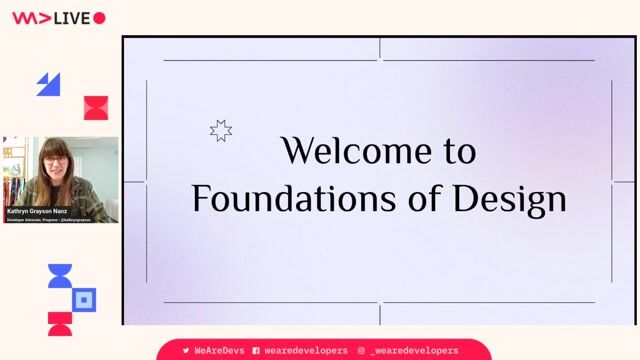
Kathryn Grayson Nanz
Learn Enough Design to Be Dangerous
#1about 4 minutes
Design is a learnable skill, not an innate talent
Design is a science based on how the human brain processes information, making it a skill that any developer can learn and apply.
#2about 7 minutes
Exploring the fundamentals of color theory
Learn the difference between additive (RGB) and subtractive (CMYK) color systems and how context, hue, and value influence color perception in UIs.
#3about 5 minutes
How to build effective UI color schemes
Use four tried-and-true methods—monochromatic, analogous, complementary, and triadic—to create harmonious and effective color palettes for your user interfaces.
#4about 1 minute
Ensuring color accessibility in your designs
Use accessibility checkers and consider high-contrast themes to ensure your color choices are readable and usable for all users.
#5about 5 minutes
Using Gestalt principles for intuitive layouts
Leverage Gestalt theory's six patterns—similarity, closure, continuity, proximity, figure-ground, and symmetry—to align your designs with natural human perception.
#6about 5 minutes
Establishing a clear visual hierarchy
Control user attention by strategically using size, placement, and color to create contrast and guide users through your interface.
#7about 5 minutes
How to achieve balance in UI composition
Distribute visual weight evenly across your design using symmetrical or asymmetrical balance to create a sense of stability and comfort for the user.
#8about 2 minutes
Using white space to improve clarity
White space is a critical design element that gives content room to breathe, reduces visual clutter, and improves user comprehension.
#9about 6 minutes
An introduction to typography fundamentals
Learn essential typography terms like typeface vs. font, kerning, tracking, and leading, and how to avoid common layout issues like widows and orphans.
#10about 5 minutes
Choosing the right typeface for your project
Select the best typeface by understanding the personalities of serif, sans-serif, display, and script fonts and asking critical questions about your message and audience.
#11about 17 minutes
Conclusion and Q&A on design practices
A summary of design as a science is followed by answers to audience questions on color, layout, aesthetics, and personal workflow.
Related jobs
Jobs that call for the skills explored in this talk.


Matching moments

02:46 MIN
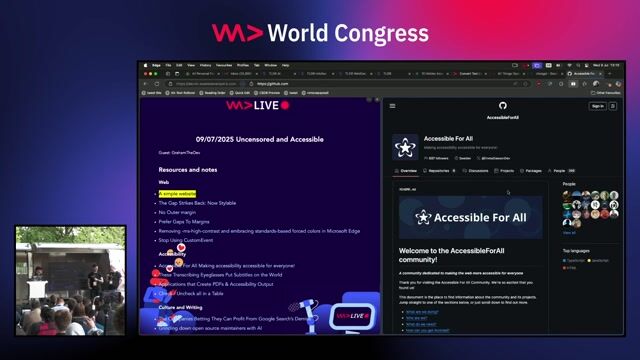
How design trends can create accessibility issues
WeAreDevelopers LIVE - Is Software Ever Truly Accessible?
03:26 MIN
Bridging the gap between designers and developers
WeAreDevelopers LIVE - Is Software Ever Truly Accessible?

05:14 MIN
Bridging the gap between design and development
Boost Productivity with AI: Figma & Playwright MCP Workflows - Aris Markogiannakis
05:30 MIN
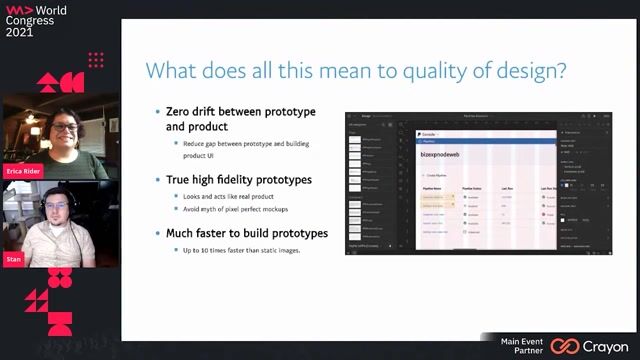
Designing components for developers, designers, and end-users
Breaking Down Silos Between Design and Development

02:05 MIN
Evolving design abstractions for modern frontend development
Fireside Chat with Kris Rasmussen, CTO at Figma
01:04 MIN
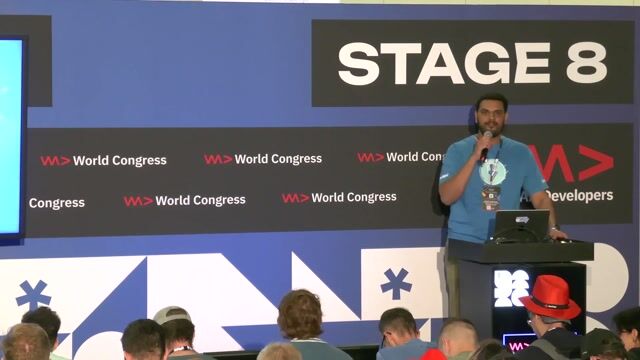
Overcoming the challenges of design-to-development handoff
NoCode LiveCode: Leveraging AI Tools to Craft Fully Functional Apps!
03:50 MIN
Improving design tooling and engineering handoff
Shift Left On Accessibility - Geri Reid
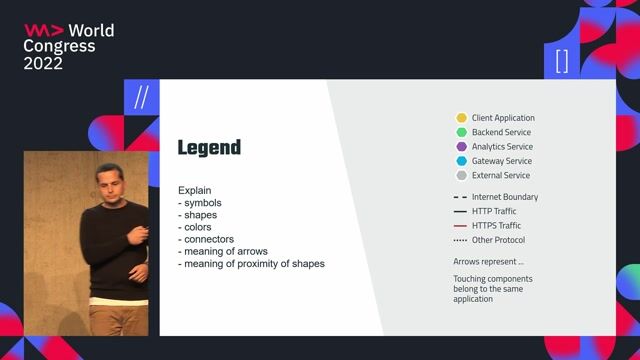
03:20 MIN
Using legends, color, and design to enhance clarity
Communicate efficiently with Software Architecture Diagrams
Featured Partners
Related Videos
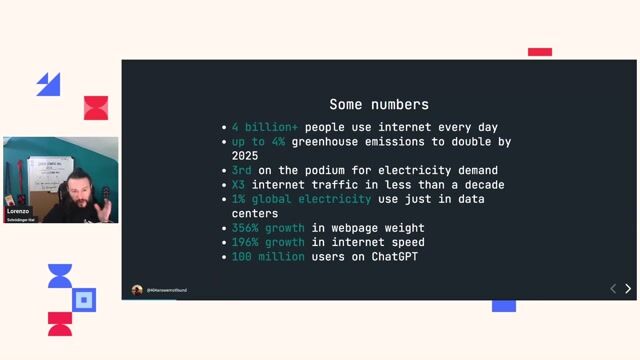 1:05:49
Sustainable me. A tale of good design.
Lorenzo Pieri
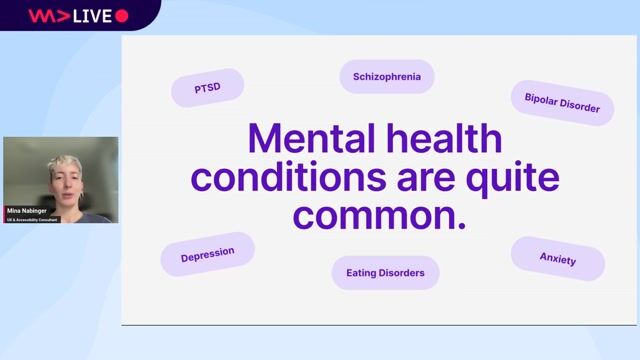 23:05
23:05Design patterns for neurodiversity and mental health
Mina Nabinger
 59:20
59:20What's new in CSS for Designers?
Onur Gumus
 28:39
28:39It’s easy to create a good looking product, but what about a useful one?
Eleftheria Batsou
 56:01
56:01Preventing Accessibility Issues Instead Of Fixing Them
Dirk Ginader
 1:10:55
WeAreDevelopers LIVE - Web Typography; CSS Layout features; Staying curious in an AI world and more
Chris Heilmann, Daniel Cranney & Jason Pamental
 1:06:20
WeAreDevelopers LIVE – Frontend Inspirations, Web Standards and more
Chris Heilmann, Daniel Cranney & Jan Deppisch
 29:11
29:11Design Principles For The Web
Jeremy Keith
Related Articles
View all articles



From learning to earning
Jobs that call for the skills explored in this talk.


&why GmbH
Berlin, Germany
€50-70K
Junior
Intermediate
Senior
React
Next.js
TypeScript