
Daniel Roe
Building for the Edge - Crafting a Next-Gen Framework
#1about 4 minutes
Rethinking frameworks with Nuxt, Nitro, and UnJS
The rebuild of Nuxt 3 led to the creation of open-source, universal JavaScript tools like the Nitro server engine.
#2about 3 minutes
Creating a new project with the Nitro server engine
Initialize a new project, install Nitro, and create basic API routes with auto-imports and built-in TypeScript support for type-safe fetching.
#3about 4 minutes
Adding server-side rendering with View and Rollup
Configure Nitro to process Vue files using a Rollup plugin and use the storage API to inject server-rendered HTML into a template.
#4about 3 minutes
Implementing server-side routing with View Router
Set up file-based routing on the server using View Router and a generic handler to render any page in the application.
#5about 5 minutes
Adding client-side hydration and HMR with Vite
Integrate Vite as a lazy event handler within Nitro to enable client-side application hydration and a seamless developer experience with Hot Module Replacement.
#6about 4 minutes
Building a custom CLI to abstract framework configuration
Use the citty and c12 libraries to create a command-line interface that encapsulates the framework's dev and build logic for users.
#7about 6 minutes
Configuring the production build for Vite and Nitro
Orchestrate the production build by running the Vite client build and then using Nitro's public assets and bundled storage to create a single optimized server output.
#8about 10 minutes
Building and deploying a full-stack application
Create a functional form using an isomorphic fetch utility and deploy the complete server-rendered application to a serverless platform like Vercel.
#9about 3 minutes
Q&A on Nitro's stability and relation to web standards
The speaker discusses Nitro's commitment to semantic versioning, its role in complementing rather than replacing web standards, and its growing adoption.
Related jobs
Jobs that call for the skills explored in this talk.

Hubert Burda Media
München, Germany
€80-95K
Intermediate
Senior
JavaScript
Node.js
+1


Matching moments
05:42 MIN
Understanding Nuxt as a Vue-based meta-framework
WeAreDevelopers LIVE - Whats Nuxt and Next for app development, 20 years AJAX and more
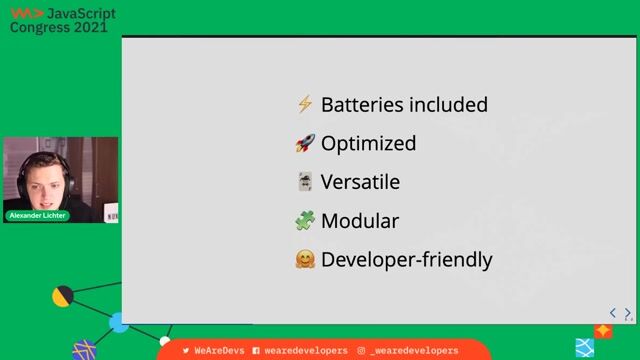
03:37 MIN
The motivation behind Nuxt 3 and the UnJS ecosystem
Modern Web Development with Nuxt3
02:22 MIN
Understanding the core features of Nuxt 3
Nuxt.js - Just Vue 3 and a bit of magic?
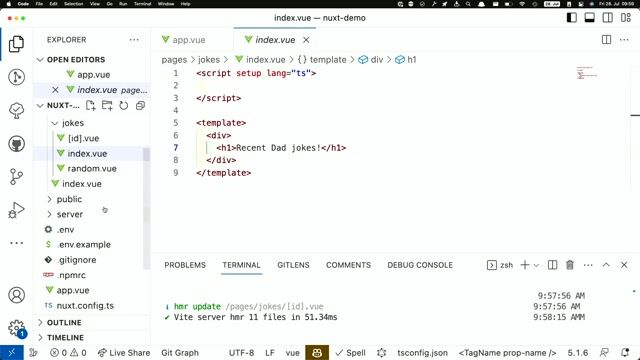
02:23 MIN
Creating type-safe server API routes with Nitro
Nuxt.js - Just Vue 3 and a bit of magic?
04:53 MIN
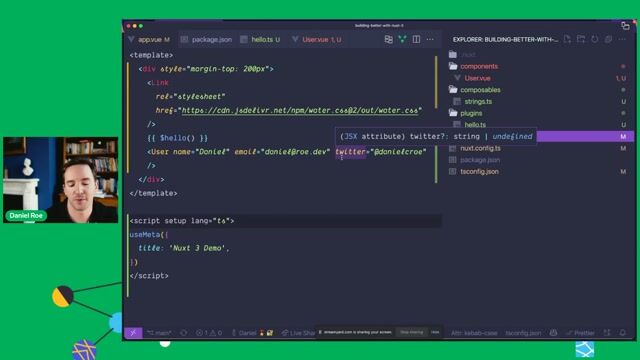
Introducing the high-performance Nitro server engine
Building Better with Nuxt 3
01:22 MIN
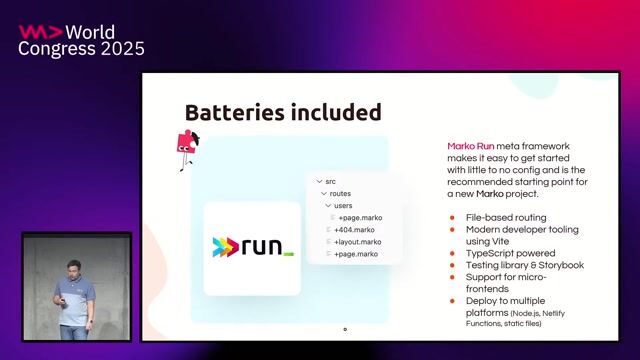
The developer experience and tooling ecosystem for Marko
Marko.js: Unsung Hero of Scalable Web Frameworks
05:25 MIN
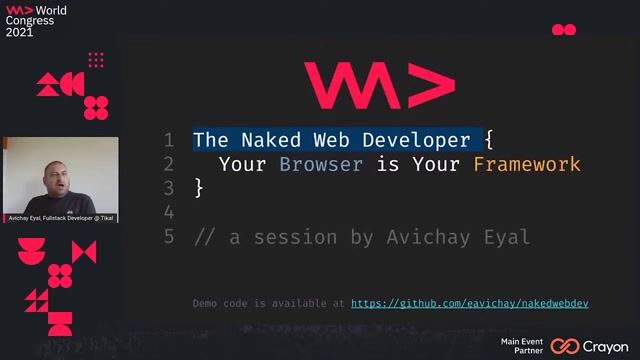
The case for framework-free web development
The Naked Web Developer: Your Browser Is Your Framework
06:55 MIN
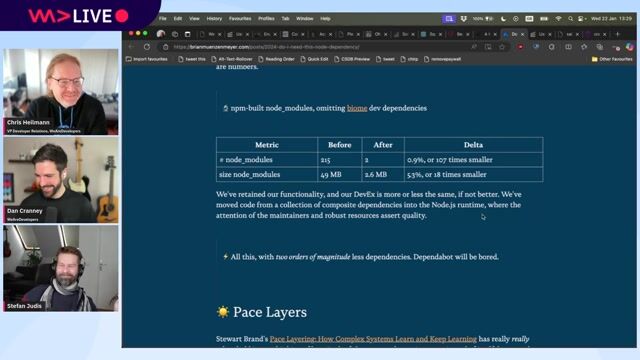
Evaluating the new standards-first framework Nue
WAD Live 22/01/2025: Exploring AI, Web Development, and Accessibility in Tech with Stefan Judis
Featured Partners
Related Videos
 26:32
26:32Nuxt.js - Just Vue 3 and a bit of magic?
Alexander Lichter
 41:22
41:22Building Better with Nuxt 3
Daniel Roe
 42:21
42:21Fast & Furious - Going headless with Nuxt.js!
Samuel Snopko
 41:43
41:43Modern Web Development with Nuxt3
Alexander Lichter
 32:56
32:56Web development: where are we, and where are we going?
Laurie Voss
 30:42
30:42One Framework To Rule Them All: Faster Websites With Astro
Eddy Vinck
 26:00
26:00To New Frontiers: The Future of Frontend Development
Rainer Hahnekamp
 19:46
19:46Building a framework-independent component library
Tobias Scholz
Related Articles
View all articles



From learning to earning
Jobs that call for the skills explored in this talk.


&why GmbH
Berlin, Germany
€50-70K
Junior
Intermediate
Senior
React
Next.js
TypeScript